WiFi Direct Windows 10: What It Is and How to Use It
What is wifi direct windows 10 and how does it work? Check if your PC supports it with ipconfig /all, then send files from Android to Windows without a router.
In this guide
- The Idea Behind WiFi Direct
- Are There Other Uses for Wi-Fi Direct?
- How Does Wi-Fi Direct Work?
- How Can I Use WiFi Direct?
- Why Use Wi-Fi Direct?
- Connecting a Wi-Fi Direct Device to Your PC
- Wi-Fi Direct for PC: Wireless File Transfer
- Check If Your Windows 10 PC Is Wi-Fi Direct Compatible
- How to Transfer Files From Android to Windows With Wi-Fi Direct
- No Wi-Fi Direct? Transfer Files From Android to Windows With FTP
- No Wi-Fi Direct? Use Bluetooth
WiFi Direct quietly powers a lot of the gadgets in our homes and offices. It lets two devices connect to each other over Wi-Fi without a wireless router in between, much like Bluetooth but faster. It's similar to the old "ad hoc" Wi-Fi mode, except that WiFi Direct makes it far easier to find compatible devices and connect to them automatically.
In this guide we explain what wifi direct windows 10 support means, what the technology is used for, how it works, and how to send files between your phone and PC with it.
The Idea Behind WiFi Direct
You may already be using Wi-Fi Direct without knowing it. The Roku 3, for example, came with a remote that talks to the box over Wi-Fi Direct instead of infrared or Bluetooth. The remote doesn't connect to your home router at all. Instead, the Roku creates its own small Wi-Fi network and the remote joins it.
When you're near a Roku, that network shows up as DIRECT-roku-###. You can't join it without the security key, and the key is set up automatically between the Roku and its remote.
That's the beauty of the technology: devices talk over normal Wi-Fi, but you never have to type a Wi-Fi password into a remote control because the connection happens on its own.
Are There Other Uses for Wi-Fi Direct?
Plenty of devices besides the Roku support Wi-Fi Direct. The Miracast wireless display standard is built on it, which is how many PCs and phones cast their screen to a TV.
Some computer accessories, such as mice and keyboards, use it too. Wireless printers are a big one: you can print from a laptop or phone straight to the printer without either of them being on your Wi-Fi network.
Many Android phone makers support Wi-Fi Direct as well, though only some apps take advantage of it.
Because most gadgets already have a Wi-Fi radio built in, Wi-Fi Direct lets them talk to each other without adding extra hardware, unlike Bluetooth, which needs its own chip.
How Does Wi-Fi Direct Work?
Wi-Fi Direct builds on a few existing standards:
Wi-Fi: It uses the same Wi-Fi technology your devices use to connect to a router. A Wi-Fi Direct device essentially acts as its own access point that other devices can join. Ad hoc networking does something similar, but Wi-Fi Direct is much easier to set up.
Wi-Fi Direct Device and Service Discovery: Before connecting, devices use this protocol to find each other and learn what services they offer. For example, your laptop can list every Wi-Fi Direct device nearby and filter it down to just the printers.
Wi-Fi Protected Setup (WPS): WPS lets two devices connect automatically. Ideally devices use the push-button method rather than the WPS PIN method, which is less secure.
WPA2: Connections are encrypted with WPA2, the same security used on modern home networks.
Because devices talk to each other directly, Wi-Fi Direct is also called Wi-Fi peer-to-peer or Wi-Fi P2P.
How Can I Use WiFi Direct?
If a product and its accessories both support Wi-Fi Direct, they'll usually just work together, like the Roku 3 and its remote.
In theory, the standard lets any Wi-Fi Direct device send and receive data with any other. In practice, support is patchier than you'd hope. Two laptops with Wi-Fi Direct won't simply let you drag files between them out of the box; you still need an app that uses the feature.
So for everyday file sharing, Wi-Fi Direct isn't magic yet, but with the right app it works very well.
Why Use Wi-Fi Direct?
Wi-Fi Direct is perfect when you want to send something to a nearby device without going through the internet. Printing to a wireless printer or sending a photo to someone in the same room are classic examples. Like Bluetooth, it gives you a direct link, only much faster.
Connecting a Wi-Fi Direct Device to Your PC
If the device you want to connect has Wi-Fi Direct built in, setting up the connection is fairly simple. Turn on the device and find the option that enables Wi-Fi Direct. It should then show you a network name and a passcode.
Back on your computer, open the list of available Wi-Fi networks and pick the network created by that device. Enter the passcode and you're connected.
Wi-Fi Direct for PC: Wireless File Transfer
Think of Wi-Fi Direct as Bluetooth over Wi-Fi. You get the same "find a device and send" convenience, but the data travels over Wi-Fi, so transfers are much faster.
Bluetooth has been around since 1994. It's great for audio and connecting accessories, but slow for big files. Wi-Fi Direct handles large transfers far better.
It isn't as universal as Bluetooth yet, but when it's available it's a really handy way to move files between Windows 10 and other devices.
Check If Your Windows 10 PC Is Wi-Fi Direct Compatible
Sending a file over Wi-Fi Direct is faster and easier than Bluetooth, but first check that your PC supports it.
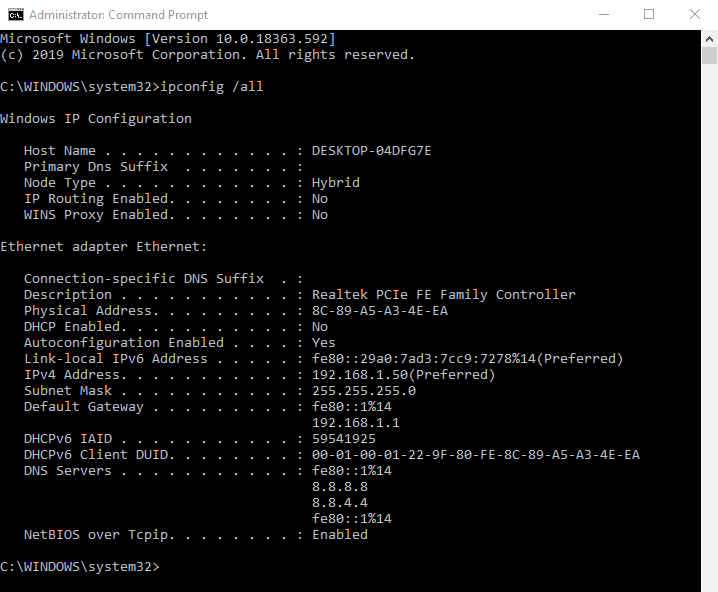
Press WIN + R, type CMD and press Enter to open Command Prompt, then type ipconfig /all and press Enter.
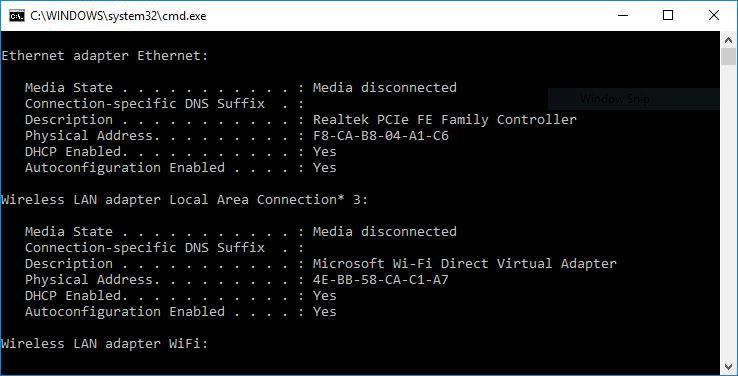
If Wi-Fi Direct is available, you'll see an entry called Microsoft Wi-Fi Direct Virtual Adapter. Windows 10 doesn't have a built-in "send via Wi-Fi Direct" button, though, so you'll need an app.
How to Transfer Files From Android to Windows With Wi-Fi Direct
Since you need a third-party app for Wi-Fi Direct transfers, pick a reliable one. Feem has offered Wi-Fi Direct support for Windows PC and laptop users since the Windows 7 days and still works on Windows 8 and 10. (Seeing high CPU while transferring? Read about the windows modules installer worker.)
Feem is free to use, including Wi-Fi Direct and live chat, with paid extras such as iOS support, unlimited transfers and no ads. Moving files from Android to a PC with it is simple:
- On Android, turn on the hotspot under Settings > Network & Internet > Hotspot & tethering, and connect your Windows computer to that network.
- Open Feem on both Android and Windows. The app gives each device a random name (such as "Junior Raccoon") and a password. Note the password; you'll need it for the first connection.
- To send a file, choose the Windows PC as the destination and tap Send File. Pick the file or files and tap Send.
No Wi-Fi Direct? Transfer Files From Android to Windows With FTP
If your PC doesn't support Wi-Fi Direct, there are still easy wireless options. Many Android file managers can run a small FTP server so your PC can browse the phone's storage over your Wi-Fi network.
ES File Explorer was a popular example: its Network > FTP feature shows your Android device's IP address. (Many other file managers offer the same feature.)
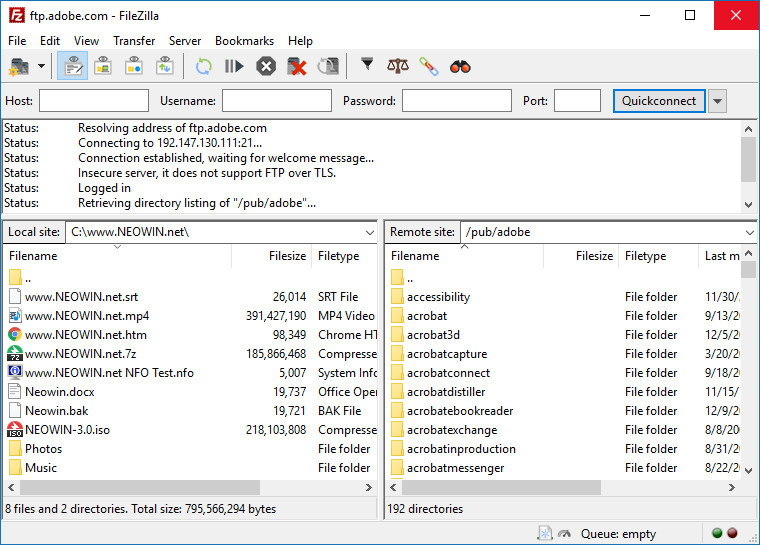
Enter that address in an FTP program such as FileZilla (or in File Explorer's address bar) and you can copy files back and forth between the two devices.
No Wi-Fi Direct? Use Bluetooth
If neither Wi-Fi Direct nor FTP suits you, and you don't have a USB cable handy, Bluetooth is the fallback. It's especially useful on Windows 7 or 8, where Wi-Fi Direct support may be missing or unreliable.
First pair your computer with the other Bluetooth device (phone, tablet or another computer). Make sure both are set to be visible, let them find each other, and confirm the pairing code on both screens. Then you can send files between them.
References: consumerreports.org, makeuseof.com, neowin.net